
Posted below are recent translations of various New Testament Greek texts by Matthew Jones who maintains this website.
First John
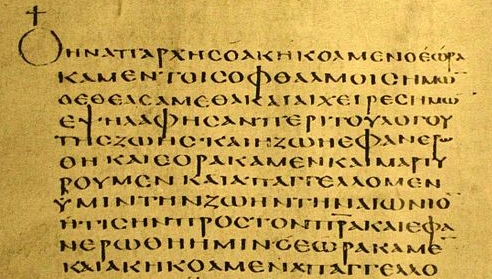
First John is a letter written by the Apostle John near the end of the first century AD to address a crisis that was disrupting the churches that he pastored in Asia Minor (modern day western Turkey). It appears that some members were spreading heretical beliefs that were contrary to the Good News revealed by Jesus Christ. These disruptors had separated, perhaps to form their own churches, but their teachings had sown doubts among the members that remained.
In response, John wrote a pastoral letter (now called First John), not to attack the disruptors, but to encourage and reassure the remaining members he cared for that what they believed was the truth handed down directly from Jesus Christ. What he wrote had authority because he was an eye-witness of the life and teaching of Jesus.
Below are PDF resources to help you understand First John:
- First John Translation.
- First John Translation with Outline and Notes.
- First John Outline only.
- The structure of the Prologue (1:1-4).
- The structure of Unit II-B: Walking in the Darkness vs. Walking in the Light (1:6-2:11).
- The structure of Unit II-C: Assurance to the Readers that they are Walking in the Light (2:12-14).
- The structure of Unit II-E: Assurance to the Readers that they are Walking in the Light (2:18-28).
The carousel below contains a series of posts that comment on First John.








The Gospel of Mark
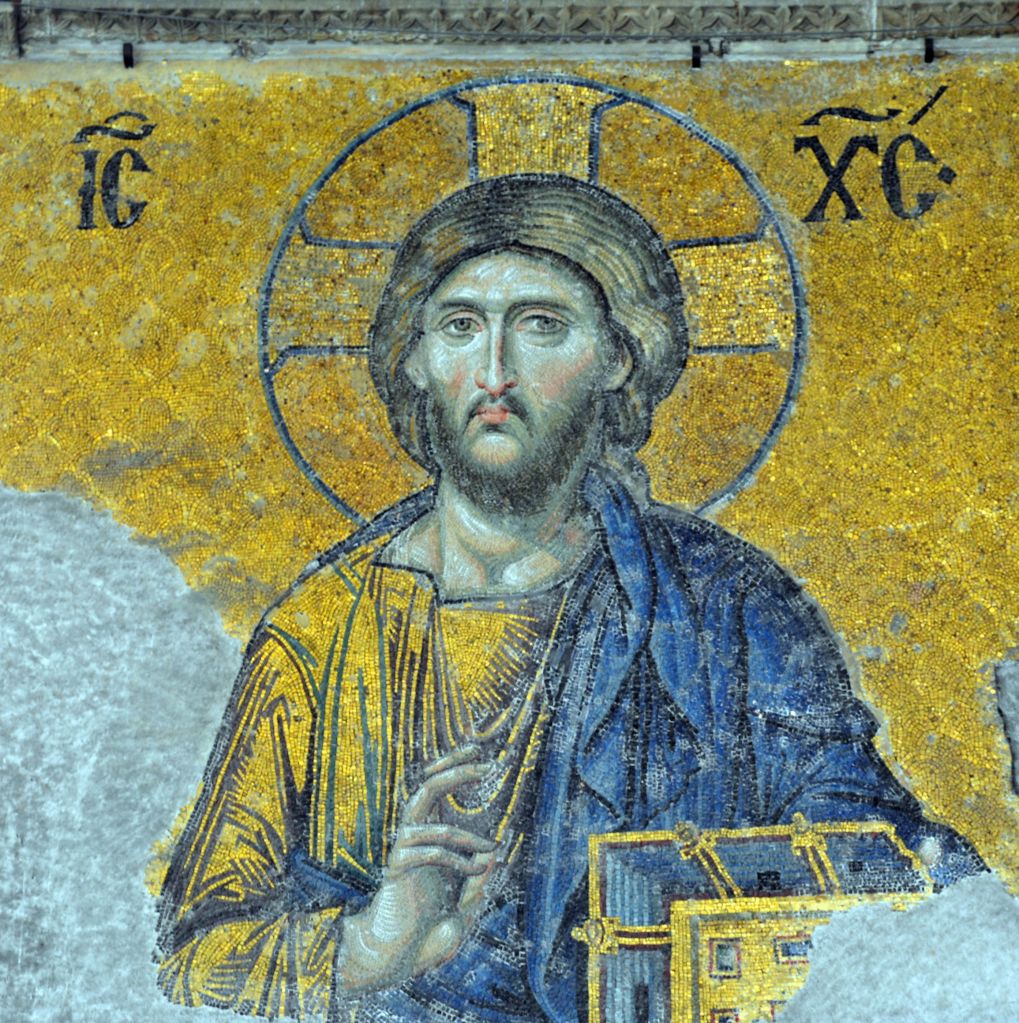
The Gospel of Mark is the shortest of the four Gospels in the New Testament. It records the actions and teachings of Jesus. Most of what is recorded in Mark also appears in the Gospels of Matthew and Luke, but his account is more vivid and contains more details. His style is simple, straight forward, and fast moving.
Early and strong tradition identifies Mark as the author. He was associated with the Apostle Peter and probably recorded information he received from Peter. The Gospel was probably written between 60 and 70 AD from Rome, where Peter was awaiting execution under the reign of Emperor Nero.
The Gospel of Mark (Entire Book)
The Letter of Paul to Philemon

The Letter of Paul to Philemon is the shortest and most personal of Paul’s letters in the New Testament. Paul writes to his dear friend Philemon about a sensitive matter. Onesimus, a runaway slave of Philemon, had somehow come into contact with Paul, who is under house arrest in Rome. Onesimus became a believer and a useful ministry helper for Paul. Paul, in conformity with Roman law, sends Onesimus back to his master Philemon. Paul writes to explain these circumstances, to encourage Philemon to accept Onesimus back as a Christian brother, and to delicately request a favor from Philemon – that he return Onesimus to Paul and perhaps set him free.
(The information above is modified from page 588 of An Introduction to the New Testament. Copyright 1992, 2005 by D.A. Carson and Douglas J. Moo. Published by Zondervan.)
The letter was written by Paul some time between 60 to 62 AD during his house arrest in Rome.
Click to read the The Letter of Paul to Philemon.
 Koine Foundations